HVAC & PLUMBING SPECIALS
When it comes to plumbing, heating, or air conditioning services, every homeowner appreciates saving money. Check out our special discounts and promotions today!
Save Up to $2,000 On a New Water Heater (Tax Credits)

Homeowner may save up to $2,000 in Federal tax credits on select systems. It is the homeowner's responsibility to consult with tax advisors on eligibility. Valid only for residential customers. Not valid with any other offers, discounts, or on prior sales. Void if copied or transferred and where prohibited. Any other use may constitute fraud. Cash value $.001. Offer expires 05/31/2024.
New HVAC Systems as Low as $127 Per Month + Save Up to $3,200 with Tax Credits (Goodleap)
Purchase and installation of qualifying HVAC system required. **Up to $3,200 in Federal tax credits on select systems. Homeowner is responsible to consult with a tax advisor on eligibility. *Loans provided by GoodLeap, on approved credit, for a limited time. Estimated monthly payments based on 12.99% fixed APR loans. Repayment terms vary from 24 to 180 months. Minimum loan amounts apply. Interest starts accruing when funds are disbursed. The $127 payment example is based on $10,000 purchase price with 12.99% APR for 180 months. Valid only for residential customers. Not valid with any other offers, discounts, or on prior sales. Void if copied or transferred and where prohibited. Any other use may constitute fraud. Cash value $.001. Offer expires 05/31/2024
Serving the Nevada & Utah Areas
AIR CONDITIONING
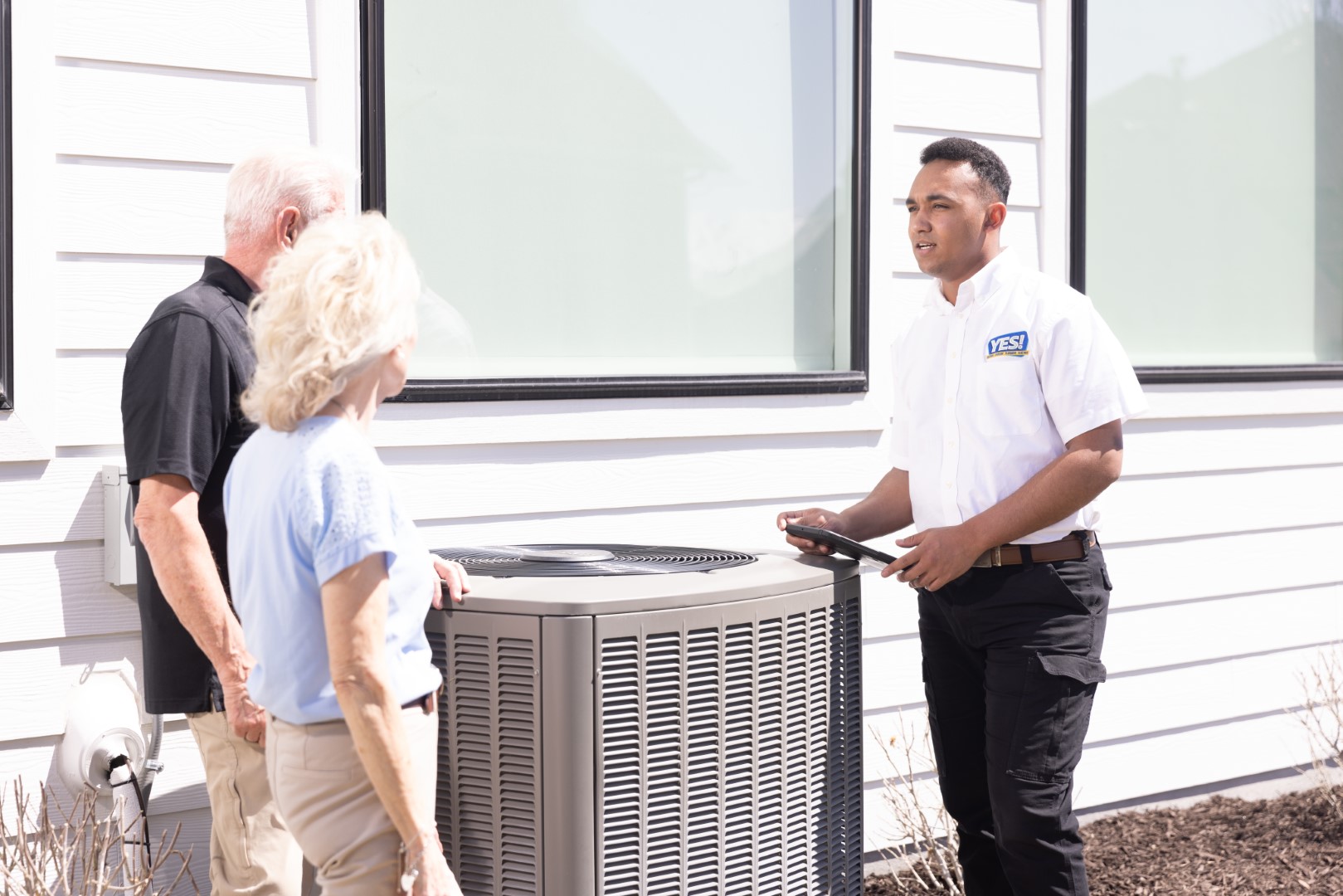
Experience top-notch AC repair and cooling system installation with the skilled Yes! technicians, your go-to solution for optimal comfort.
HEATING
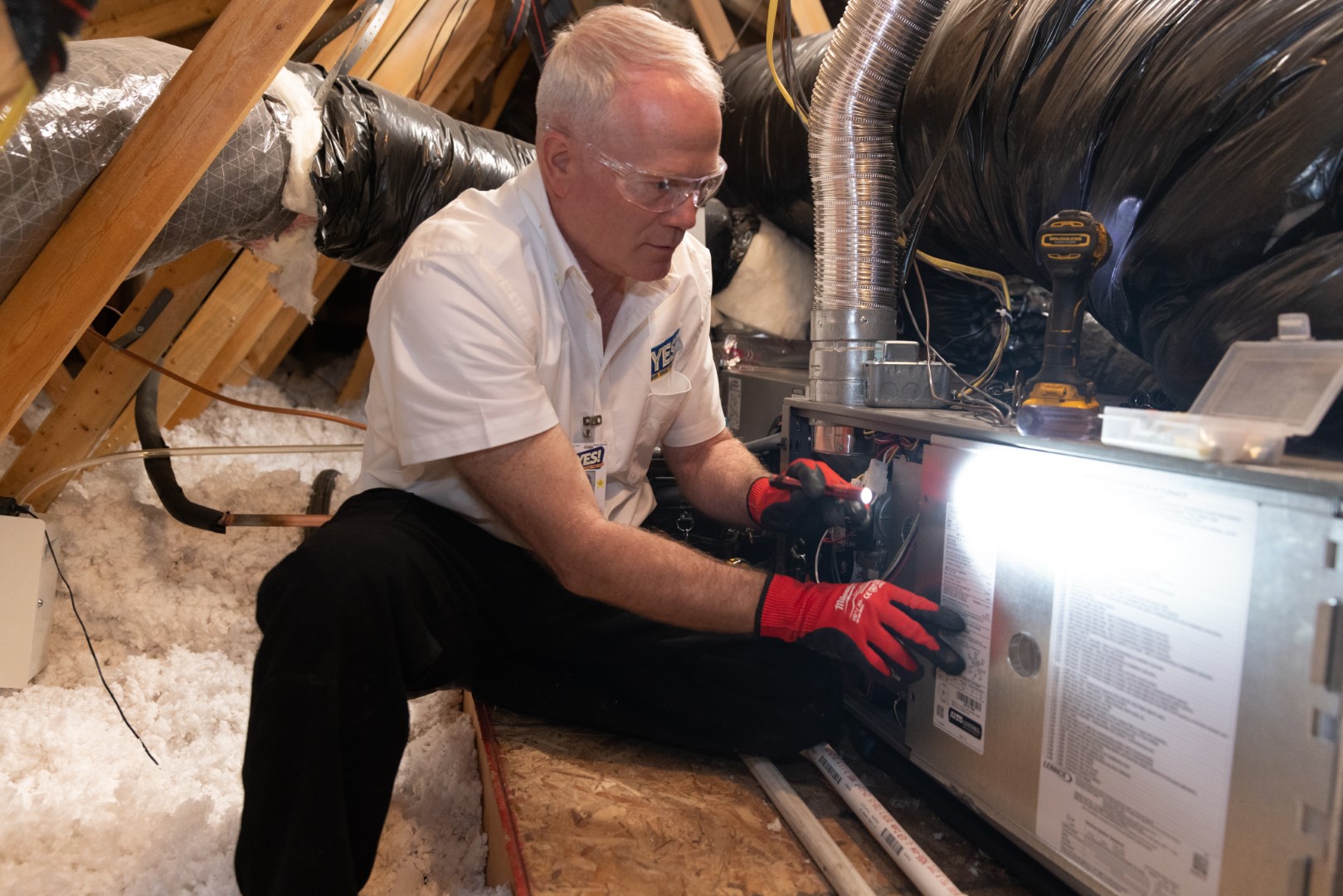
Trust Yes! to keep you comfortable even in the coldest months. Our reliable services encompass heating repairs, replacements, and installations to ensure your warmth and satisfaction throughout the winter season.
PLUMBING
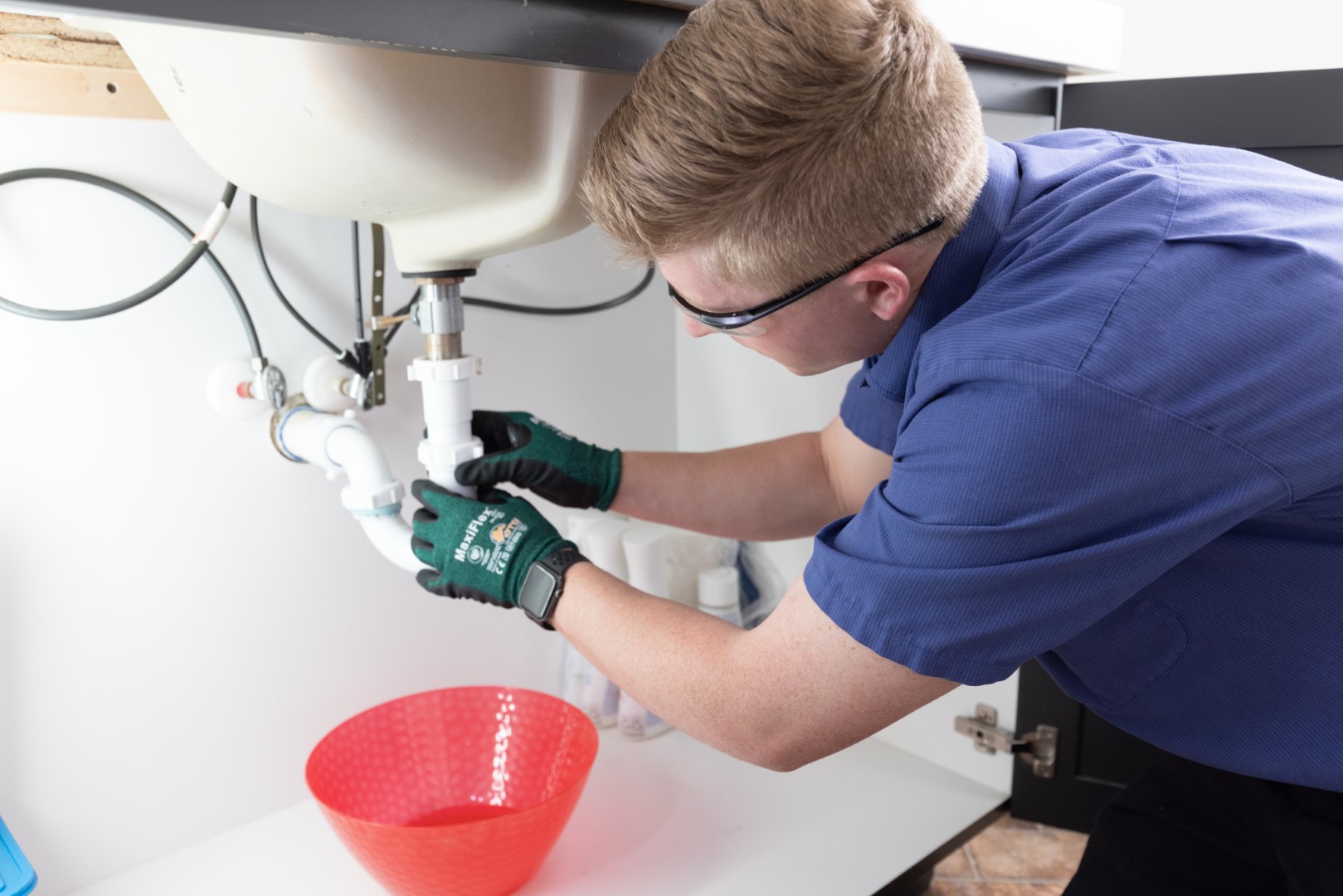
Don't let minor leaks evolve into major headaches! Reach out to Yes! for effective solutions to issues such as clogged drains, dripping faucets, sewer complications, or toilet difficulties.
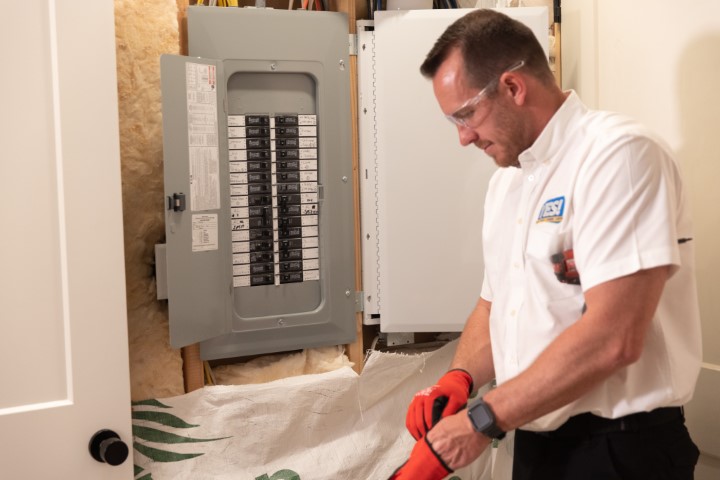
ELECTRICAL
Our team of bright sparks is highly qualified to handle all electrical issues in Nevada and Utah. Each of our licensed electricians proudly provides outstanding service that homeowners and landlords can rely on.
Dedicated to Providing Quality Services in Utah and Nevada
Has your heater, air conditioner, electrical appliances or the plumbing in your home stopped working properly or been acting strange?
Don't ignore the signs that something is wrong and find a reputable AC repair, electrical or plumbing technician to help you. At YES! we have 45 years of experience servicing homeowners and businesses and are committed to providing high-quality work and service. We stand out among air conditioning companies in Nevada and Utah because we truly care about each and every one of our customers and want to ensure you are satisfied. We are also proud to offer Senior and Military discounts. Call us now at 844-216-9300 if you are interested in learning more!
YES! Heating and Air Conditioning Services
Having a fully functional and efficient heating and AC system in your home could end up saving you a lot of money in the long term. At YES! we can help you maintain the current system in your home or provide options to get it replaced or upgraded.
You can count on us to offer sound advice that is relevant to your situation so that you can make informed decisions. Close attention will be paid to details to ensure all jobs get done right. We offer financing options, incredible guarantees, and we are committed to your satisfaction in a job done right.
Call an expert at 844-216-9300!
Weatherization: When you’re a homeowner, saving energy is always a top priority. Anything that helps put money back in your pocket is a plus, right? At YES! our HVAC services are all about helping customers save money. To keep your favorite space at peak comfort, we offer weatherization services that will protect your home all year long—throughout every season. From air sealing to duct sealing to insulation, our expert techs will have your home at maximum energy efficiency in no time—so you can enjoy those extra savings!
We have the experience required to get your home comfortable.
- Serving local residents since 1977
- HVAC system diagnosis, repair and installation
- Highly rated
- Quality parts equipment
- Fair pricing
- Fast service
- Central air
- Ductless mini split systems
- AC recharge
YES! Plumbing Services
If you need reliable plumbing services throughout Utah or Nevada, call the industry leaders at YES! for long-lasting plumbing repair and installation you can trust. As the leading Salt Lake City plumbing service provider, your satisfaction is guaranteed with our Exceptional Service Guarantee. This means we will continue working on your plumbing issue until you are happy. We have a proven track record for solving even the most challenging plumbing problems, from minor leaks to water heater replacements to burst pipes. One call is all it takes, and your plumbing troubles will be a thing of the past.
A problem-free plumbing system is essential for daily living. Our licensed and certified plumbing team can repair, replace and upgrade your plumbing system, based on your needs.
When it comes to water issues, we know how to keep things flowing. Our master plumbers are experts in everything water, including water heaters, boilers, gas lines, water leak repair, high recovery water heaters, water filtration, and softening. When your plumbing leaves you drained, call on us for professional solutions. We’ll give you our 100 percent money-back satisfaction guarantee.
Some additional benefits of working with us include:
- Open and honest communication so you feel like part of the solution
- Emergency services are available
- Honest cost estimates before starting work and no hidden fees
- Highly trained plumbers that have been through background checks and are drug tested
- Flexible financing options available to help meet your needs
Available 7 days a week and ready when you need us!
YES! Electrical Services
Utah and Nevada offers a lot of competition, but we’ve always done well by treating our customers the way we would want to be treated. We provide you with superior work at sensible prices. Choose us as your electrical contractor, whether you want to install a new electrical panel, rewire an older home, or fix a single electrical outlet.
We have the experience required to get your home in shape.
- Serving local residents since 1977
- Electrical system diagnosis, repair and new installation
- Highly rated
- Quality parts equipment
- Fair pricing
- Experienced technicians
A safe home for our customers is our top priority. After an electrical safety inspection we will provide electrical repairs, replacements, and additions according to your needs.
Learn more about our emergency electrical services or call us at 844-216-9300 for immediate assistance.
What People Are Saying About Yes!
Frequently Asked Questions
How much should a complete HVAC system cost?
The cost of an HVAC system can depend on several factors, including what type and brand of equipment you want, the size of the system, and how difficult the installation will be. And the higher the efficiency of the system, the more future savings you may find on your energy bill. Your Yes! Comfort Advisor will be able to inspect your situation and recommend different options, with up-front estimates, based on your needs.
What are the most common HVAC problems?
In Las Vegas, it’s common for HVAC systems to experience refrigerant leaks, clogged filters and electrical issues. Refrigerant leaks can result in the air conditioning unit blowing warm air, while a clogged filter can cause strain on the system through reduced air flow. Meanwhile, an electrical issue with your HVAC can cause the system to stop working entirely. Regular maintenance from a professional HVAC company like Yes! can help prevent these issues.
Why should you hire a plumber instead of doing the job yourself?
Professional plumbers have gone through the proper training and have experience to handle plumbing issues the right way. Plumbers also have the right tools and equipment to effectively and efficiently diagnose and fix issues, which can ultimately save the homeowner time and money in the long run. Trying to solve plumbing issues on your own can lead to more costly, and sometimes dangerous problems.
ACCREDITED & TRUSTWORTHY
EXPERTISE
Best HVAC & Furnace Repair Services in Orem
SUPER SERVICE
Awarded for how well we serve our customers everyday
BBB ACCREDITED
Fully accredited by the Better Business Bureau.
NATE CERTIFIED
Our HVAC technicians are North American Technician Excellence certified, the highest level in the industry.